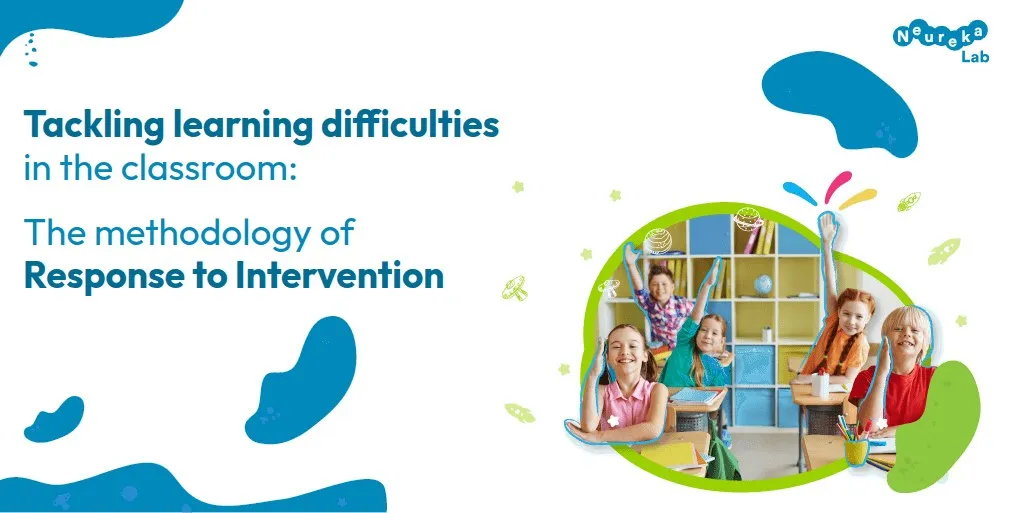
New knowledge in the neurobiological field alerts us to the presence of learning difficulties. Around 10% of children may have some type of learning difficulty, hindering their academic progress. Faced with this situation, intervention is important to prevent frustration in these students and thus avoid school failure in the classroom.
The RTI methodology
Proposals for improving the situation of school failure have been the subject of debate in recent years. One of the methodologies most widely developed in the field of education is Response to Intervention (RTI). As an improvement on the often biased IQ tests, the RTI method establishes continuous, specialised assessment focused on prevention and based on scientific evidence, in order to adjust teaching measures to each student profile — especially for those profiles with a learning difficulty.
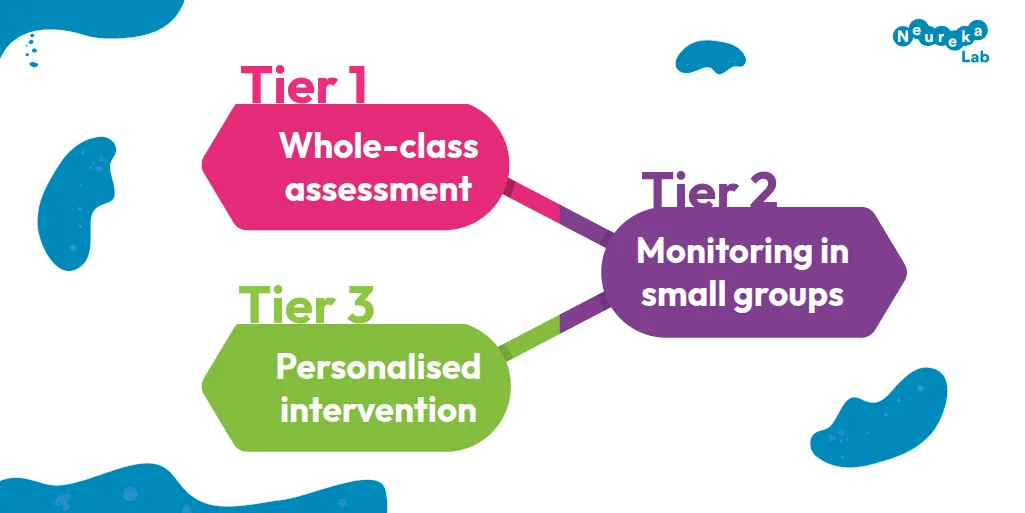
The RTI method proposes a three-tier assessment model, identifying students at risk of failing to meet curriculum requirements and intervening with adapted improvements for their academic progress. Although it is primarily a method for maintaining a good academic pace in the classroom, it has also proved to be an efficient way of identifying students with possible specific learning difficulties in time. However, it should be noted that the RTI method can only detect a possible learning difficulty. If a diagnosis is required, a professional evaluation will be necessary.
RTI: Tier 1
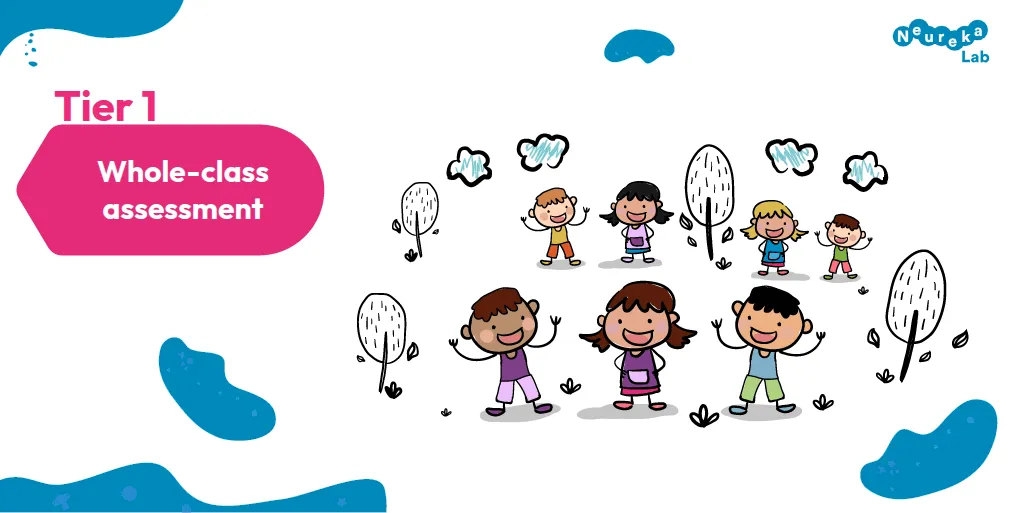
The first tier of Response to Intervention focuses on identifying the different student profiles in the classroom. Based on a whole-class assessment, students performing below the expected level are identified. This first tier serves as a screening stage to determine which students need more specialised follow-up.
This first assessment involves a set of exercises and activities across several areas of knowledge, allowing the teaching team to detect both students showing unexpected performance or behaviour and the possible presence of learning difficulties. Given that the first phase is a preventive measure for the whole class, it is recommended to carry out the Tier 1 assessment two or three times a year — preferably once per academic term.
RIT: Tier 2
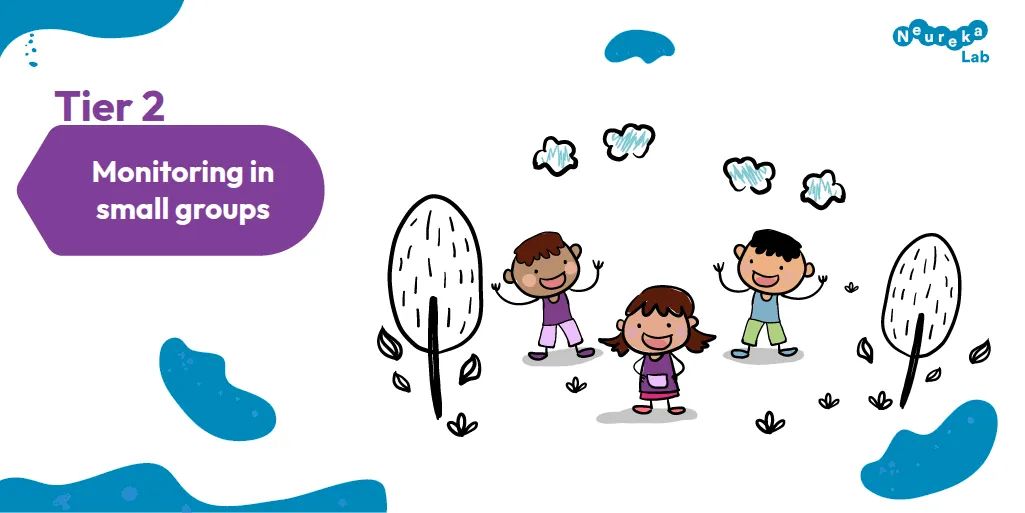
The second tier of Response to Intervention focuses on follow-up. This tier consists of monitoring in small groups made up of students who showed unexpected results during the first assessment phase and who require intervention for their optimal academic progress.
The aim of this follow-up is to provide specialised support to those groups of students who need better adaptation measures to meet academic requirements. Through group reinforcement, the goal is to improve specific aspects of their learning in the short term. For this reason, an assessment is planned weekly or fortnightly to observe the changes and improvements resulting from the intervention.
RTI: Tier 3
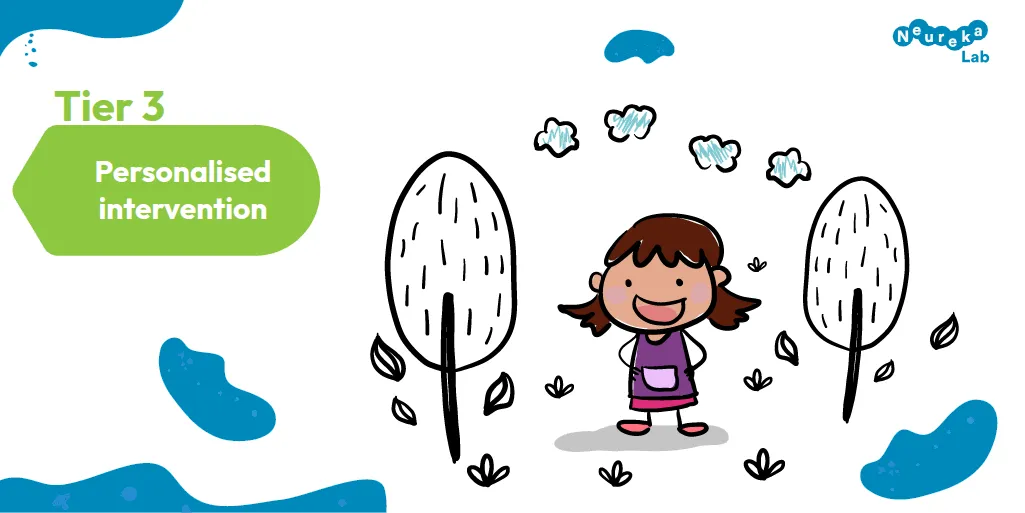
The third tier of Response to Intervention focuses on personalised intervention. When signs of learning difficulties appear during the Tier 2 assessment, intensive and personalised intervention is required. In this phase of Response to Intervention, the student’s profile is studied to determine which approach best suits their academic pace.
This third phase works towards long-term improvement, as it seeks to curb the negative impact of learning difficulties throughout the student’s school life — and even their personal life. Given that this is an individualised intervention, its frequency and intensity will depend on the student’s individual pace and progress.
Benefits and limitations of the RTI method
Many studies support the effectiveness of the RTI methodology in education. Committing to this educational model guarantees the necessary support for different student profiles. Preventive assessment, support and intervention ensure a favourable environment for improving academic performance in the classroom.
These are some of the benefits of Response to Intervention:
- Offering an education adapted to all pupils.
- Detecting possible specific learning difficulties in time.
- Reducing the over-representation of minorities in special education.
- Preventing school failure.
- Identifying individual improvement needs.
- Gathering the necessary information about students to create a profile and apply personalised interventions.
Even so, many education professionals remain reluctant about the RTI methodology, as they consider it requires a greater investment of money and time. To implement the RTI method, the teaching team must prepare in advance in order to apply it; have the resources and professional support to facilitate follow-up at each tier; and promote a collaborative classroom environment to assess students’ abilities across different areas of knowledge. Response to Intervention is an educational model that must be integrated into the conventional academic plan, in order to enrich education and foster an environment adapted to each student profile.
NeurekaTEST
The NeurekaTEST method is designed to assess and detect learning difficulties across different areas of knowledge, through a range of activities aimed at understanding the basic learning functions of children between 5 and 12 years old:
- NeurekaCALC: numerical processing and calculation.
- NeurekaLEC: reading processes.
- NeurekaMEM: working memory.
- NeurekaATT: sustained attention.
- NeurekaTDAH: presence of signs of ADHD.
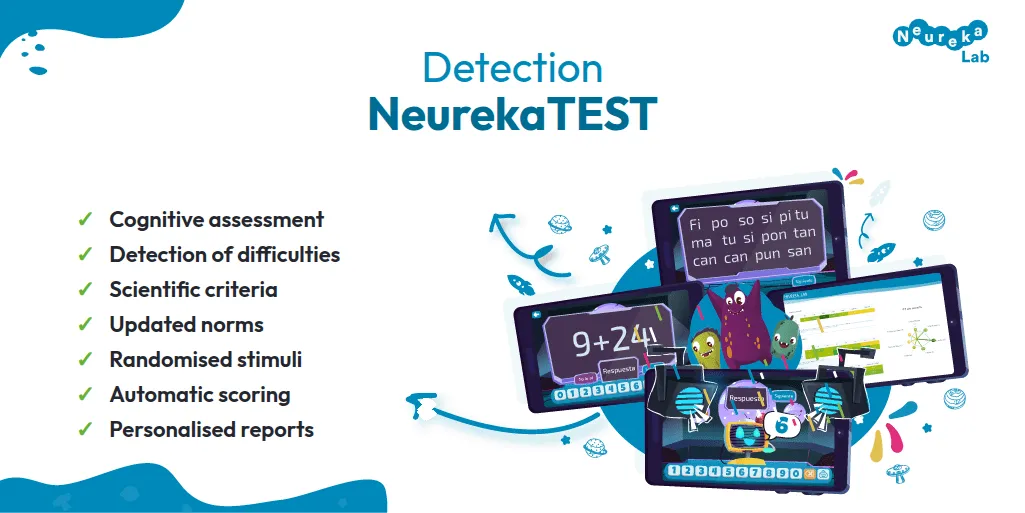
In the teaching field, the NeurekaTEST method can be incorporated as a tool to facilitate continuous assessment and understand children’s strengths and weaknesses across the different areas of knowledge.
Scientific evidence: